
In the world of sports betting, managing risk is just as important as predicting outcomes. Many bettors lose not because they lack knowledge of the sport, but because they choose betting formats that expose them to unnecessary volatility. One betting system that has gained popularity for its risk-reducing characteristics is the Asian Handicap. Designed to balance competition and minimize extreme outcomes, Asian Handicap betting offers a more controlled and strategic approach compared to traditional markets.
Understanding the Asian Handicap Concept
Asian Handicap betting originated in Asia and was developed to eliminate the possibility of a draw while balancing the odds between two uneven teams. Instead of simply betting on a win, draw, or loss, bettors wager with a handicap applied to one or both teams. These handicaps can be whole numbers, half numbers, or quarter numbers.
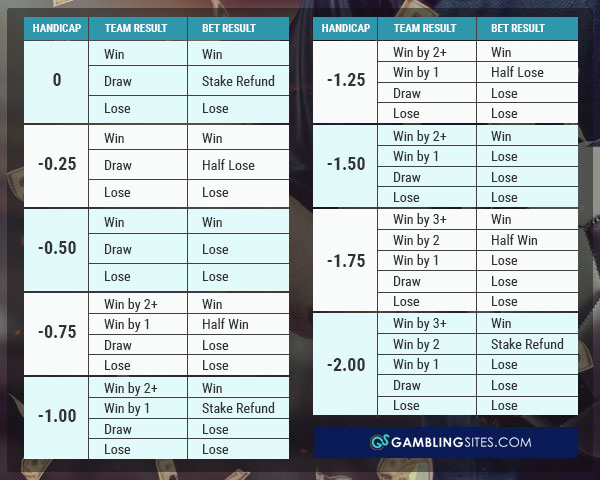
For example, if a strong team is given a -1 handicap, they must win by at least two goals for the bet to fully succeed. Meanwhile, the weaker team with a +1 handicap can still provide value even if they lose narrowly. This adjustment creates fairer odds and reduces the dominance of favorites, allowing bettors to focus on realistic performance margins rather than absolute results.


Eliminating the Draw Reduces Uncertainty
One of the biggest advantages of Asian Handicap betting is the removal of the draw as a possible outcome. In traditional 1X2 betting, the draw is often the most unpredictable result and a common source of losses. Asian Handicap simplifies the equation by redistributing the draw into the handicap itself.
By doing this, bettors no longer have to worry about a match ending level and ruining their prediction. This reduction in outcome variance makes Asian Handicap markets more stable and easier to analyze, especially in football where draws are common.
Partial Wins and Refunds Lower Financial Risk
Unlike many traditional bets that result in either a full win or a full loss, Asian Handicap offers outcomes such as half wins, half losses, or full refunds (pushes). These features significantly reduce betting risk.
For instance, if you place a bet on a team with a -0.25 handicap and the match ends in a draw, you only lose half of your stake instead of the full amount. Similarly, a 0 handicap (Draw No Bet) returns your stake if the match ends in a draw. These safety nets protect bettors from total losses and help preserve bankrolls over time.
More Accurate Reflection of Match Strength
Asian Handicap markets are often considered more efficient because they reflect the true strength gap between teams. Instead of inflating odds for popular favorites, bookmakers adjust the handicap line to balance betting action.
This efficiency benefits bettors who rely on analysis rather than emotion or team popularity. When odds are tighter and more realistic, it becomes easier to identify value and avoid overpaying for heavily favored teams. Reduced mispricing translates directly into reduced long-term risk.
Encourages Disciplined Betting Behavior
Because Asian Handicap betting requires understanding margins and probabilities, it naturally promotes more disciplined decision-making. Bettors are encouraged to analyze team form, goal differences, tactical matchups, and motivation rather than relying on simple win predictions.
This analytical approach reduces impulsive betting and emotional decisions, both of which are major contributors to long-term losses. Over time, disciplined habits supported by Asian Handicap markets help bettors maintain consistency and control.
Better Bankroll Management
Risk reduction is closely tied to bankroll management, and Asian Handicap betting supports this principle well. The availability of refunds and partial losses smooths out variance, preventing sudden bankroll drops.
Instead of experiencing sharp swings caused by all-or-nothing bets, bettors using Asian Handicap often see steadier results. This stability allows for better stake planning and longer betting longevity, which is essential for anyone treating betting as a strategic activity rather than pure entertainment.
Suitable for Long-Term Strategies
Asian Handicap betting is particularly popular among professional and semi-professional bettors because it aligns well with long-term strategies. Since the market is efficient and less influenced by public bias, outcomes tend to reflect true probabilities more closely.
While this also means fewer extremely high odds, it significantly lowers exposure to reckless risk. Over hundreds of bets, reduced volatility and improved consistency often matter more than chasing occasional large payouts.
Conclusion
Asian Handicap reduces betting risk by simplifying outcomes, eliminating draws, offering partial refunds, and encouraging analytical discipline. Instead of exposing bettors to high-variance, emotional betting environments, it provides a structured and balanced framework that prioritizes consistency over speculation.
For bettors who value sustainability, control, and smarter decision-making, Asian Handicap is not just an alternative betting option—it is a practical risk-management tool. While no betting system can eliminate risk entirely, Asian Handicap proves that thoughtful design can make betting significantly safer and more rational over the long run.
Leave a Reply